
The Dilemma of Radio Silence
The Good ShepherdThis flow traces George Krause’s decision to withhold a distress message while balancing rescue, secrecy, and the danger of inviting a stronger attack.
increasing Bearing strength in each event
 decreasing
Bearing strength in each eventdecreasingThe Admiralty Warning
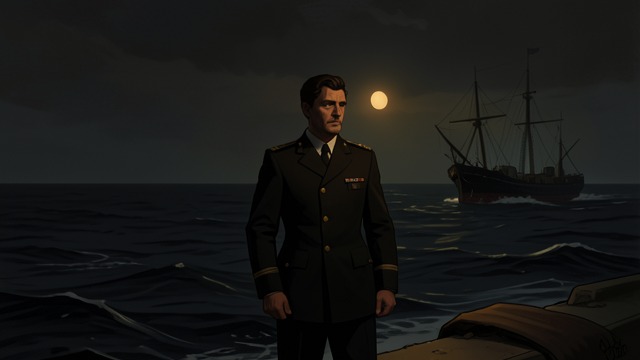
The Admiralty Warning
A message arrives late
George Krause receives an Admiralty warning that places a wolfpack close to Keeling’s position. The message is already hours old, and the convoy is nearly inside the reported danger area.
Silence as a constraint
Passing on the warning would not allow the convoy to escape without causing disorder. Radio silence also protects the force from giving away its position and operational condition.
Responsibility kept private
George Krause retains the information and continues to fight without notifying others. He bears the knowledge alone because disclosure appears unlikely to help and might compromise future operations.
Help Considered and Delayed

Help Considered and Delayed
A damaged force
With Viktor disabled, Cadena carrying its crew, and the convoy inadequately protected, George Krause considers sending a message for help. The need is clear, but transmitting could tell German listeners that the convoy is in severe trouble.
Timing the appeal
He calculates that a message sent immediately could give enemy command hours to concentrate submarines during darkness. He decides to wait until the early morning, when allied air support might respond more quickly.
Self-examination
George Krause questions whether pride, fatigue, or a desire to avoid judgment is influencing him. He concludes that the convoy’s welfare, rather than his reputation, must govern the decision.
Relief Without an Appeal
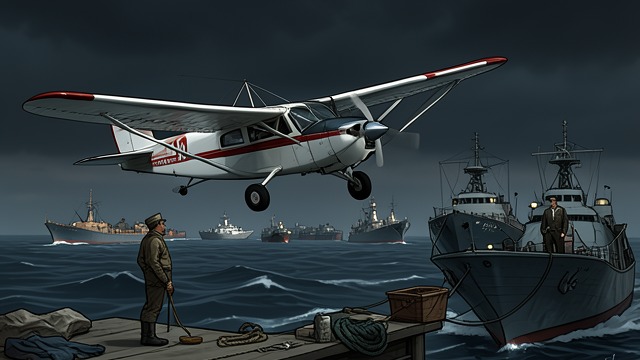
Relief Without an Appeal
Help arrives independently
A Catalina locates the convoy and guides the relieving escort group toward it. George Krause has not sent the distress message he planned to transmit.
A decision overtaken
The arrival changes the situation before his intended message goes out. The force receives support through allied observation and coordination rather than through an emergency request from Keeling.
No easy verdict
The outcome does not prove that silence was always the right choice. It shows instead how decision-making under uncertainty depends on timing, available communications, and events that commanders cannot control.
Wednesday afternoon after the first submarine is destroyed
Thursday night after Viktor is disabled
Friday morning after the Catalina guides Diamond’s force
